







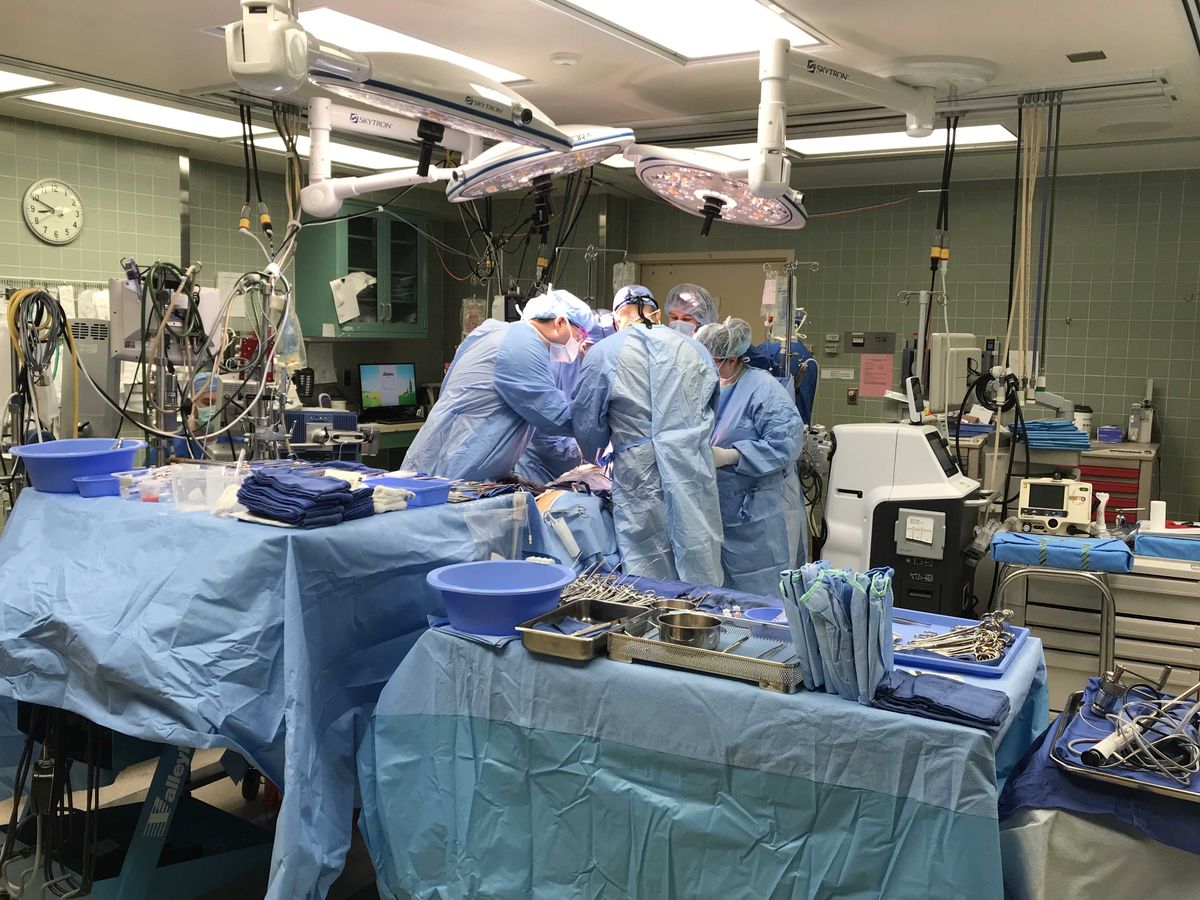
CABG Surgery Explained: What Patients Should Know Before Heart Bypass
Coronary Artery Bypass Grafting (CABG), commonly known as heart bypass surgery, is a procedure used to treat blocked or narrowed arteries in the heart. It helps restore normal blood flow and improves oxygen supply to the heart muscle, reducing the risk of heart attack and other complications.
Before undergoing CABG, patients should understand that the surgery is recommended when medications or less invasive treatments are not effective. The procedure involves taking a healthy blood vessel from another part of the body and using it to bypass the blocked artery.
The success of CABG largely depends on the expertise of the surgical team and the patient’s overall health condition. At advanced cardiac centers like Regency Hospital, modern techniques and experienced specialists help ensure safer procedures and better recovery outcomes.
After surgery, patients are closely monitored in the ICU, followed by a structured recovery plan that includes medication, lifestyle changes, and cardiac rehabilitation. Most patients gradually return to normal life with improved heart function and reduced symptoms.
Understanding the procedure, risks, and recovery process helps patients make informed decisions and approach heart surgery with confidence and clarity.